OUR PROGRAMS
Education
From creche to Class 12 exams, The Hope Project gives children and young people in Nizamuddin Basti a strong start, and a second chance when they need one.
CRÈCHE
Care for young children while their parents work
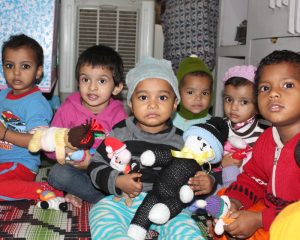
Many of the mothers in the community are raising children on their own or are the sole earners in their household, earning a living as domestic workers or rag pickers. The Hazrat Inayat Khan Crèche gives them somewhere safe to leave their little ones during the day.
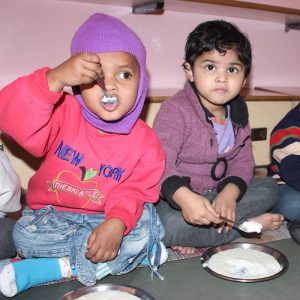
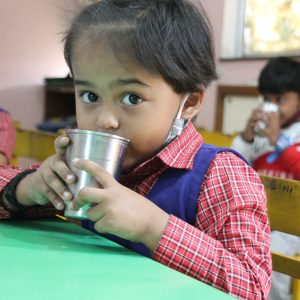
Children get a nutritious meal every day (milk, eggs, seasonal fruit), weekly check-ups from the Hope health centre, and time for stories, clay and games. The Hope Project has room for 50 children and gives places to the families who need them most.
Usha Rani, Crèche Supervisor
On caring for the community’s youngest children
45
children enrolled in 2024-2025
50
places given to families who need them most
PRE-PRIMARY
Preparing children for formal school
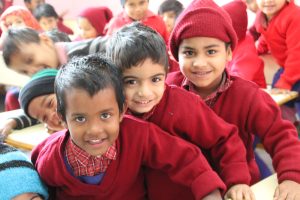
Children aged 3 to 5 join our Nursery and Kindergarten classes, where trained teachers help them build the basics they’ll need in formal school. Nursery is about play and learning to get along. In Kindergarten, kids start reading and writing in English and Hindi and learn their first numbers. Everyone gets milk daily and regular check-ups with a pediatrician. When it’s time to move on, The Hope Project staff works with parents to secure appropriate formal school placement.
Nahid Parvin, Pre-Primary Teacher
On nurturing young minds and fulfilling dreams
107
children enrolled in 2025
45
moved onto formal school in 2025
NON-FORMAL SCHOOL
A second chance at education
Many young people in the community left school early to work or support their families, and some never enrolled at all. Hope Non-Formal School offers them a structured path back.
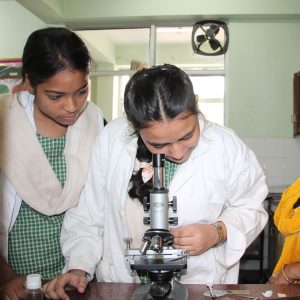
Students begin at the level that suits them and work toward recognized certificates through Open Basic Education (OBE) and the National Institute of Open Schooling (NIOS), up to Class 12. These qualifications open the door to college and university.
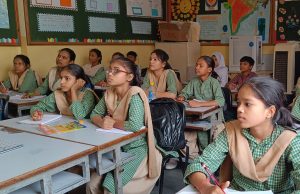
The Hope Project runs the program as a full school day, with uniforms, assemblies, lunch, and classes in music, art and vocational skills. Students also lead their own council, the Bal Panchayat, and receive regular health check-ups.
Farozina Shabnam, HNFS Evening Education Coordinator
On caring for the community’s youngest children
13
students passed Class 10 in 2024-2025
12
passed Class 12 in 2024-2025
EVENING EDUCATION
Support to catch up and keep going
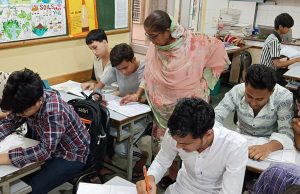
Many young people in the community work during the day in shops, restaurants, mobile repair centers and tailoring units to support their families. The Evening Education Program helps them keep up with their studies so that work doesn’t replace school entirely.
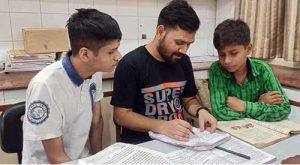
Classes are matched to each student’s needs. Remedial and support classes help school-going children catch up and keep pace with their peers. Students who have left school prepare for their Class 10 and 12 exams through the National Institute of Open Schooling (NIOS), and those with little or no prior schooling start with basic classes before moving on.
226
students enrolled in 2024–2025
How Your Support Helps
We work with people living in poverty, including those who have experienced homelessness, limited access to education, and poor health. Through connection, nutrition, education, healthcare, and opportunity, we help people build the resources and confidence to create more independent lives.
Your generous contribution will help sustain the Hope Project in India.